SRECs, explained: the solar income most homeowners miss
By Brendan Faulds, founder · Updated June 30, 2026 · 6 min read · Independent, no sales pitch
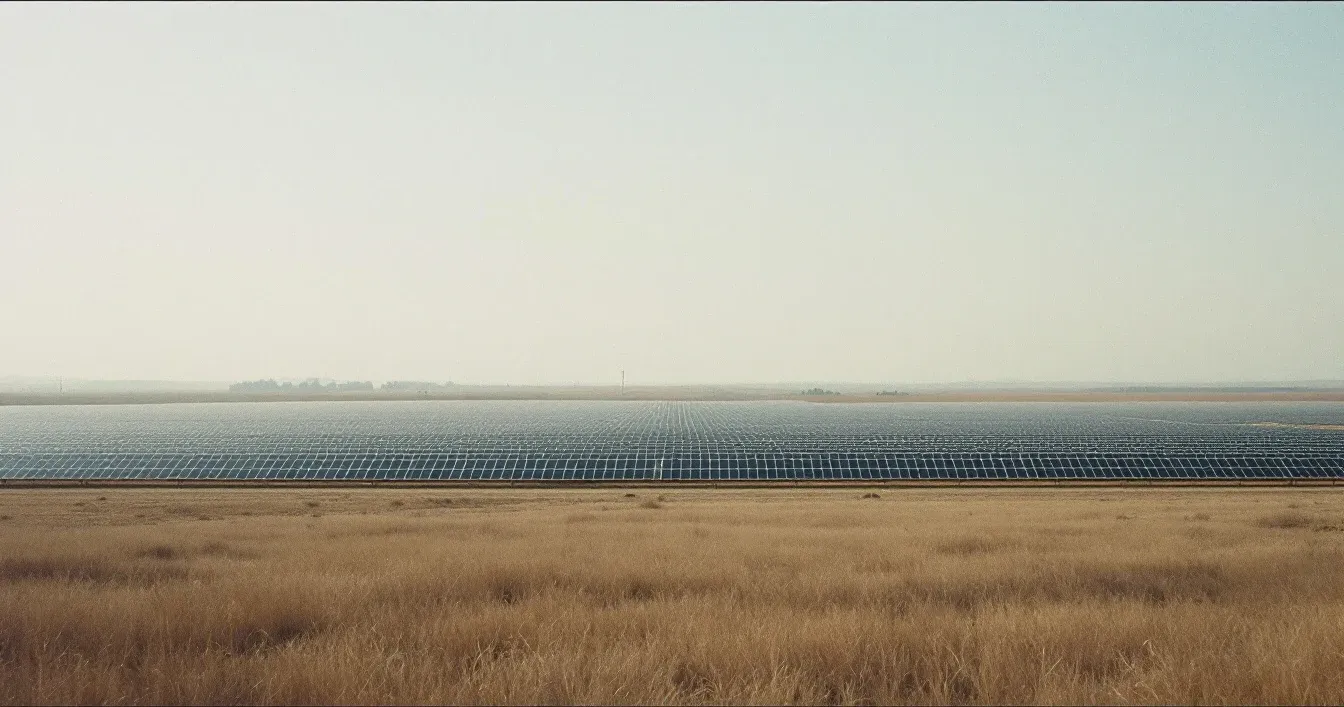
In most of the country, your solar panels save you money one way: by cutting your power bill. But in a handful of states they do something extra — they mint a tradable certificate every time they generate a megawatt-hour, and you can sell it. These are SRECs, Solar Renewable Energy Certificates, and where they exist they can be worth more than the electricity itself. They’re also the incentive homeowners most often don’t know to ask about.
Certificate prices float with supply and demand — check your state's current market
What an SREC actually is
An SREC represents the “green” attribute of one megawatt-hour (1,000 kWh) of solar generation — separate from the electricity, which you still use or export as normal. So a typical home system producing around 8–11 MWh a year creates roughly 8–11 SRECs annually. The power and the certificate are two different products from the same panels: you save on your bill and you have certificates to sell.
Why anyone buys them
Many states have a Renewable Portfolio Standard with a specific “solar carve-out” — a law requiring utilities to source a rising percentage of their electricity from solar specifically. To prove compliance, utilities must hand regulators a matching number of SRECs. They’d rather buy yours than build their own, and if they fall short they pay a penalty (the Solar Alternative Compliance Payment) that effectively sets a ceiling on the price. That regulatory demand is what gives a homeowner’s certificates real cash value.
What they’re worth — and the catch
Prices vary enormously by market and over time, from low single-digit dollars to a few hundred dollars per SREC. In a strong market, 10 SRECs a year at a couple of hundred dollars each is well over $1,000 of annual income on top of bill savings — enough to turn a ten-year payback into six or seven. The catch is volatility: SREC prices float with supply and demand, and as more solar comes online a market can soften. Some homeowners sell year-to-year on the spot market; others lock in a fixed price for several years through an aggregator, trading upside for certainty.
Where SRECs exist
They’re a regional phenomenon, concentrated in states with solar carve-outs — historically New Jersey, Massachusetts, Maryland, Pennsylvania, Ohio, Illinois (via its “Illinois Shines” program), Delaware and Washington, D.C., which has had one of the most valuable markets in the country. The specifics — eligibility, registration, how long certificates last, and price — change frequently and differ by state and program. If you’re not in an SREC state, this simply isn’t part of your equation. With the federal credit gone since 2025, your bill savings — and any state or utility incentive — now do all the heavy lifting, which is exactly why an SREC market is worth so much where one exists.
How to find your market and register
Because programs change so often, we don’t hard-code SREC dollar values anywhere on this site — quoting a stale price would be worse than quoting none. Instead, each state page links to DSIRE (the Database of State Incentives for Renewables & Efficiency), the authoritative US source, where you can see your state’s current program, eligibility and registration steps. Your installer will usually help you register, since it’s part of a competent solar sale in an SREC state.
Putting it in your estimate
Treat SREC income as a bonus on top of the payback our calculator shows, not baked into it. If you’re in a strong SREC market, your real payback may be a year or two shorter than the bill-savings figure alone. Start with your state’s payback →, then check DSIRE for the SREC program that applies to you.